Bringing Ancestors Home: Journey of Reflection with Skownan First Nation
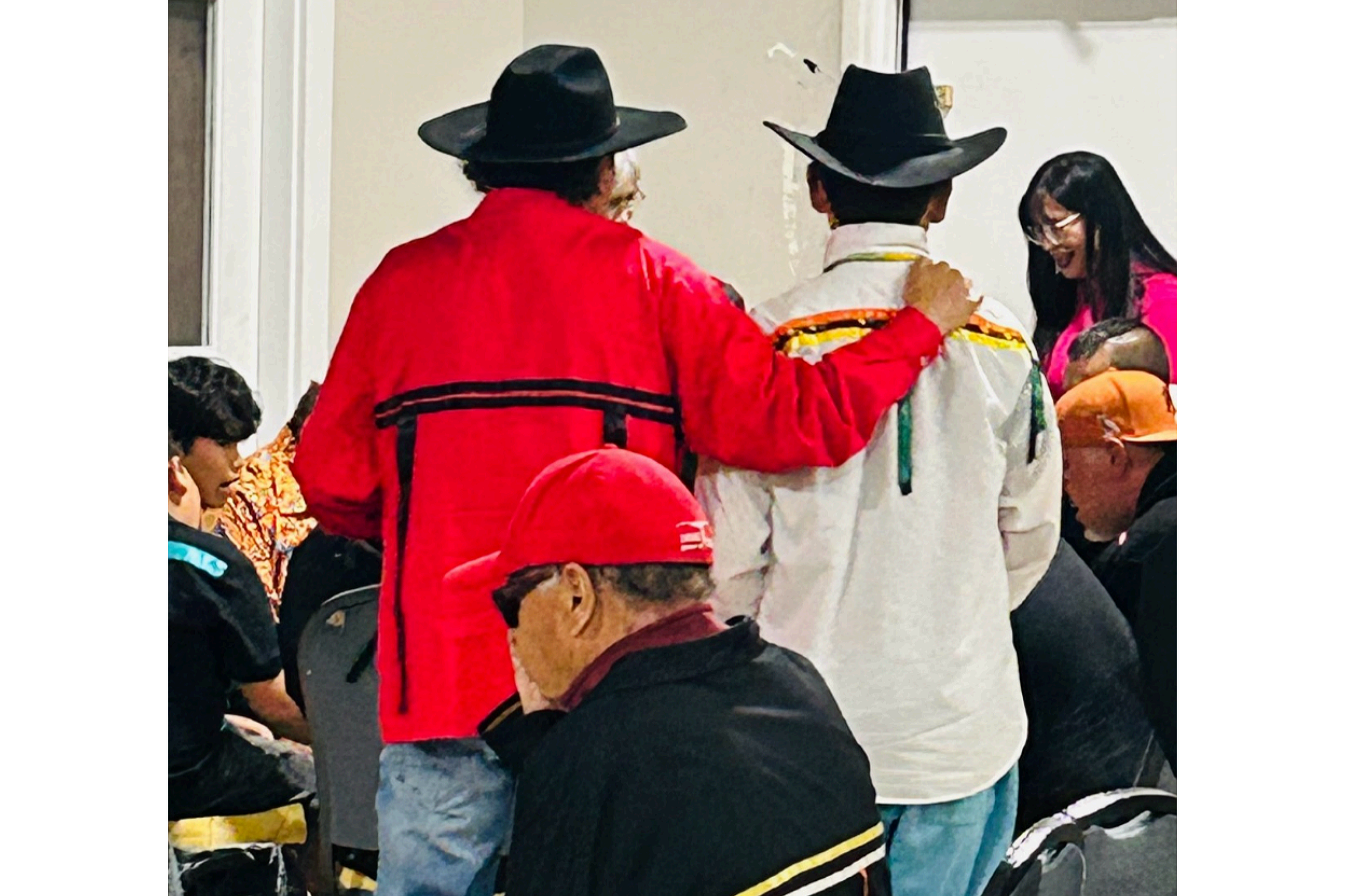
Earlier this month, I had the honour of joining Skownan First Nation for their Bringing Our Ancestors Home: Sacred Repatriation and Burial Ceremony.
The day began at sunrise, as we gathered at the University of Manitoba to accompany the ancestors on their journey home. It was raining when we arrived. Not a gentle rain, but a steady, soaking rain that fell heavily throughout the day. The skies remained grey and the roads were wet, creating a fitting backdrop for a solemn occasion marked by grief, remembrance, resilience and hope.
As I stood among community members, Elders, leaders, families and supporters, I found myself reflecting on the profound injustice that made this day necessary in the first place.
The removal of Indigenous ancestors from their resting places was not an accident of history. It was a deliberate colonial act that disregarded the autonomy, rights, laws and humanity of Indigenous Peoples. Ancestors were treated as objects of study rather than as beloved relatives. Communities were denied the ability to care for their loved ones according to their own teachings, traditions and responsibilities. The impacts of those actions continue to be felt today.
Yet the day was not defined by that harm alone.
It was also a day of accountability and reconciliation. Universities and other institutions across Canada are increasingly acknowledging their role in these practices and taking steps to return ancestors to their rightful homes. Repatriation is one important response to the Truth and Reconciliation Commission's Calls to Action. While no apology or ceremony can undo the past, bringing ancestors home restores something that never should have been taken away.
Throughout the ceremony, Elders shared teachings that stayed with me long after the day ended.
They spoke about respect. About working together. About forgiveness and healing. About creating a better future for the generations yet to come. They spoke about peace, harmony and balance. They reminded us not to simply talk about change, but to act. To speak from the heart. To pray for one another. To begin again.
One Elder described the day as a new beginning.
That message resonated deeply.
Reconciliation is often discussed as though it is a destination. The ceremony reminded me that it is a practice. It is the ongoing work of restoring relationships, acknowledging truths, taking responsibility and choosing a different path forward.
What struck me most was that this new beginning is only possible because of the resilience of Indigenous communities. Despite generations of policies and actions designed to separate people from their lands, languages, cultures and loved ones, communities have continued to protect their teachings, honour their ancestors and carry forward their responsibilities to future generations.
There is much to learn from that resilience.
In our own work, whether we are supporting governance, human resources, strategic planning or community programs, we strive to remember that our role is not to determine what Indigenous institutions should look like. Our role is to support communities in defining that for themselves.
The values shared by Elders yesterday are the same values that guide how we approach our work: respect, balance, healing, unity, collaboration and action. We believe meaningful change happens when communities are empowered to exercise their own authority, make their own decisions and build on the inherent strengths that already exist within them.
Bringing their ancestors home marked a history-making moment for Skownan First Nation. It was also a reminder that reconciliation is not only about correcting past wrongs. It is about creating the conditions for healing, self-determination and renewed relationships moving forward.
As the rain continued to fall throughout the day, I couldn't help but think of it as a symbol of cleansing and renewal. After weeks of heat and dust, it washed everything it touched. In many ways, the day itself felt similar: a moment of truth, remembrance and renewal that honoured the past while making space for a different future.
A future grounded in respect.
A future rooted in balance.
A future where ancestors are home, communities are leading, and healing can continue.
-Jennifer Keith